The Vanishing Tutorial: A Contingency Protocol for Group Work on Open Courses
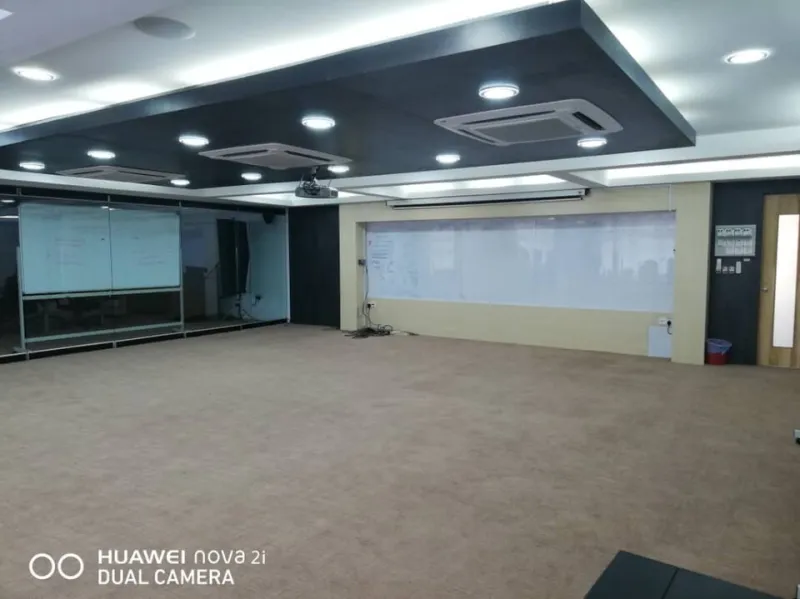
Photo: Pusat Kesenian & Warisan, CC BY-SA 4.0, via Wikimedia Commons
Open-access courses often borrow the group project from campus study. The intention is sound: collaboration is a useful skill, and a shared task can make abstract material concrete. Yet the setting is different. Adult learners in the UK may be fitting study around employment, caring responsibilities or shift patterns. They may never meet in a seminar room, and the forum thread that begins with enthusiasm can fall silent within a fortnight. The result is a familiar form of frustration: a project designed for a group, undertaken by whoever remains.
This is not an argument against collaboration. It is an argument for designing for its absence. The practical question is not whether group work should exist on open courses, but how a learner can participate honestly, protect their own progress and produce credible evidence when the group does not behave as the brief assumes.
Begin with a working agreement, not a roster
Most group projects begin with names and a task. A more resilient start is a short working agreement. Keep it to one page and agree it in the first forty-eight hours, while goodwill is high. It should cover four things: the preferred channel for routine messages, the expected response time, the minimum number of synchronous meetings, and the procedure for recording decisions.
A response expectation of two working days is usually more realistic than an immediate-reply culture. It also gives the group a legitimate point at which to follow up. For adult learners, predictability matters more than speed. A group that says it will check the forum on Tuesday and Friday evenings is easier to work with than one that promises constant availability and delivers none.
Roles should be visible but not rigid. Someone can coordinate the schedule, someone can maintain the shared document, and someone can act as the link with the tutor or forum moderator. These are administrative roles, not claims to authority. Rotating them at a midpoint meeting can prevent one person from becoming the unofficial project manager by default.
Make contribution visible without turning it into surveillance
A contribution log need not be a timesheet. Its purpose is to record the substance of the work: who drafted which section, which sources were checked, what was decided in a meeting, and what remains outstanding. A shared document with a simple decision log is often enough. The log should be visible to the whole group and written in neutral language.
This matters for two reasons. First, it reduces the chance that work is duplicated or quietly dropped. Second, it creates a fair record if the group later has to explain what happened. Adult learners may be understandably reluctant to document their colleagues, but a shared log is not a disciplinary instrument. It is a project memory. When someone disappears, the remaining learners should be able to see what was agreed and what was left undone without reconstructing the past from private messages.
Contributions should also be described in terms of outputs rather than hours. 'Drafted the literature summary and checked three sources' is useful evidence. 'Spent four hours on the project' is not, and it invites unnecessary comparison between learners whose circumstances differ.
Design the task so that it can survive absence
If the brief allows any flexibility, divide the project into parallel workstreams rather than a single chain of dependent tasks. One learner can gather sources while another drafts the introduction and a third prepares the presentation. The group can then agree a minimum viable submission and an enhanced version. The minimum version is what the group can complete if one member withdraws; the enhanced version is what becomes possible if everyone contributes.
This approach is not lowering standards. It is contingency planning. A single point of failure is poor project design in any setting, and open courses are especially exposed to it. Where the brief permits, name a fallback owner for each workstream. The fallback does not do the work in normal circumstances, but knows where the files are and what would need to happen if the original owner became unavailable.
When the forum goes quiet
Silence should be met with a ladder of responses, not a spiral of speculation. After the agreed response period has passed, send a short, courteous message that restates the task, the deadline and the specific decision needed. If there is still no reply, move the decision into an asynchronous thread and set a clear date for proceeding. If the course has a tutor or moderator, inform them at that point, not as a complaint but as a request for guidance.
Then proceed with a documented assumption. For example: 'No response received by the agreed date; the group will use the two sources already approved and note this in the submission.' This protects the remaining learners from indefinite delay and gives the absent member a clear route back in. It also avoids the two opposite errors: waiting until the deadline and doing everything at the last minute, or excluding a teammate before they have had a fair chance to respond.
Convert a stalled collaboration into independent evidence
When a group project does not function as planned, the learning is not wasted. It simply needs a different evidence trail. Keep the working agreement, the decision log, drafts and copies of key messages. Write a short reflective note explaining your own contribution, the decisions you made when the group stalled, and what you would do differently in a future collaboration.
That note should be honest about the group without being personal. 'The group did not meet after week two; I completed the remaining research and documented the change' is credible. A bitter account of individual behaviour is not. If the course requires a group submission, ask whether an individual commentary can accompany it. Many tutors welcome a brief contribution statement, provided it is offered transparently rather than as a private complaint.
For learners using Open4Learning to build a study pathway, this evidence has value beyond the course. It demonstrates planning, written communication and the ability to manage a commitment when circumstances change. Those are recognisable capabilities in further study and in the workplace. The empty seminar room does not have to mean an empty outcome. With a clear agreement, visible contributions and a documented fallback, group work can remain what it was meant to be: a structured opportunity to learn with others, and sometimes a practical lesson in learning without them.